Call us today! 1.800.662.0703
Official ISBN Agency Channel Partner

Archive for the ‘ISBN Information’ Category

Book ISBN: What It Is and When You Need One

Posted on: May 26th, 2026 by Publisher Services

You can print a book, upload an ebook, and even start selling copies without fully understanding the book ISBN attached to it. That is where many publishing problems begin. A mismatched ISBN, the wrong imprint name, or a barcode that does not meet retail standards can create delays, listing issues, and confusion across sales channels.

For self-publishers and small presses, an ISBN is not just a number you add at the end. It is part of your book’s identity in the marketplace. It helps retailers, wholesalers, libraries, and databases recognize a specific product and connect it to the right publisher and format. If you want to sell professionally, especially beyond a single platform, you need to get this part right the first time.

What a book ISBN actually does

ISBN stands for International Standard Book Number. In practical terms, it is the unique identifier assigned to a specific book product. That last word matters. An ISBN does not simply identify your title in a broad sense. It identifies a particular edition and format of that title.

If you publish a paperback, hardcover, and ebook version of the same manuscript, each version usually needs its own ISBN. If you release a revised edition later, that version may also need a different one. The ISBN tells the market exactly which product is being ordered, stocked, cataloged, or sold.

This becomes especially important once your book moves outside a basic direct-sale setup. Retail systems, bookstore databases, and distributors rely on accurate metadata. The ISBN connects that metadata to your title, format, publisher name, and product details. Without that clean connection, your book can be harder to find, harder to order, and harder to trust.

When you need a book ISBN

Some first-time authors assume every book needs an ISBN in every situation. That is not always true. It depends on how and where you plan to sell.

If you are producing a book only for private use, internal training, family distribution, or a limited event handout, you may not need one. The same can be true for certain platform-specific ebook setups where a retailer provides its own internal identifier. But once you want broader distribution, retail visibility, or publisher control, an ISBN becomes much more than optional.

You should strongly consider a book ISBN if you plan to sell through bookstores, wholesalers, online retailers beyond a single closed platform, or direct channels that still require professional product tracking. It also matters if you want your publishing identity tied to the book rather than someone else’s imprint.

That ownership point is often overlooked. If the ISBN is not registered properly, the publisher listed in industry records may not be you. For authors building a brand, a catalog, or a real publishing operation, that is a serious difference.

One title, multiple formats, multiple ISBNs

This is one of the most common mistakes in self-publishing. Authors assume one ISBN covers the whole project. It does not.

A paperback needs its own ISBN. A hardcover needs a different one. An epub ebook may need another. A large-print edition would typically need its own as well. Each format is treated as a separate product because it is sold, stocked, and managed differently.

There are exceptions in some closed ecosystems, and not every digital use case works the same way. But if your goal is flexibility and proper setup across channels, you should plan for format-specific ISBNs from the start.

That is why package selection matters. Buying only one number because it seems cheaper can backfire if you later expand into more formats or more retailers. It is often smarter to choose an option that matches where your publishing plans are likely to go, not just where they stand today.

Why authenticity matters

Not all ISBN offers on the market are equal. This is where authors can make costly mistakes.

A valid ISBN should be assigned through an official, authorized channel and registered correctly to the customer’s own name or imprint when that is the intended outcome. If the registration is incorrect, incomplete, or tied to another publishing identity, it can affect how your book appears in databases and who is recognized as the publisher.

That may not seem urgent when you are focused on getting a launch live this week. It becomes urgent later when you want to grow your catalog, pitch bookstores, work with distributors, or present your publishing business professionally.

A low-cost shortcut can create long-term cleanup work. If you care about legitimacy, control, and clean metadata, authenticity is not a luxury. It is part of a proper publishing setup.

The barcode question authors ask too late

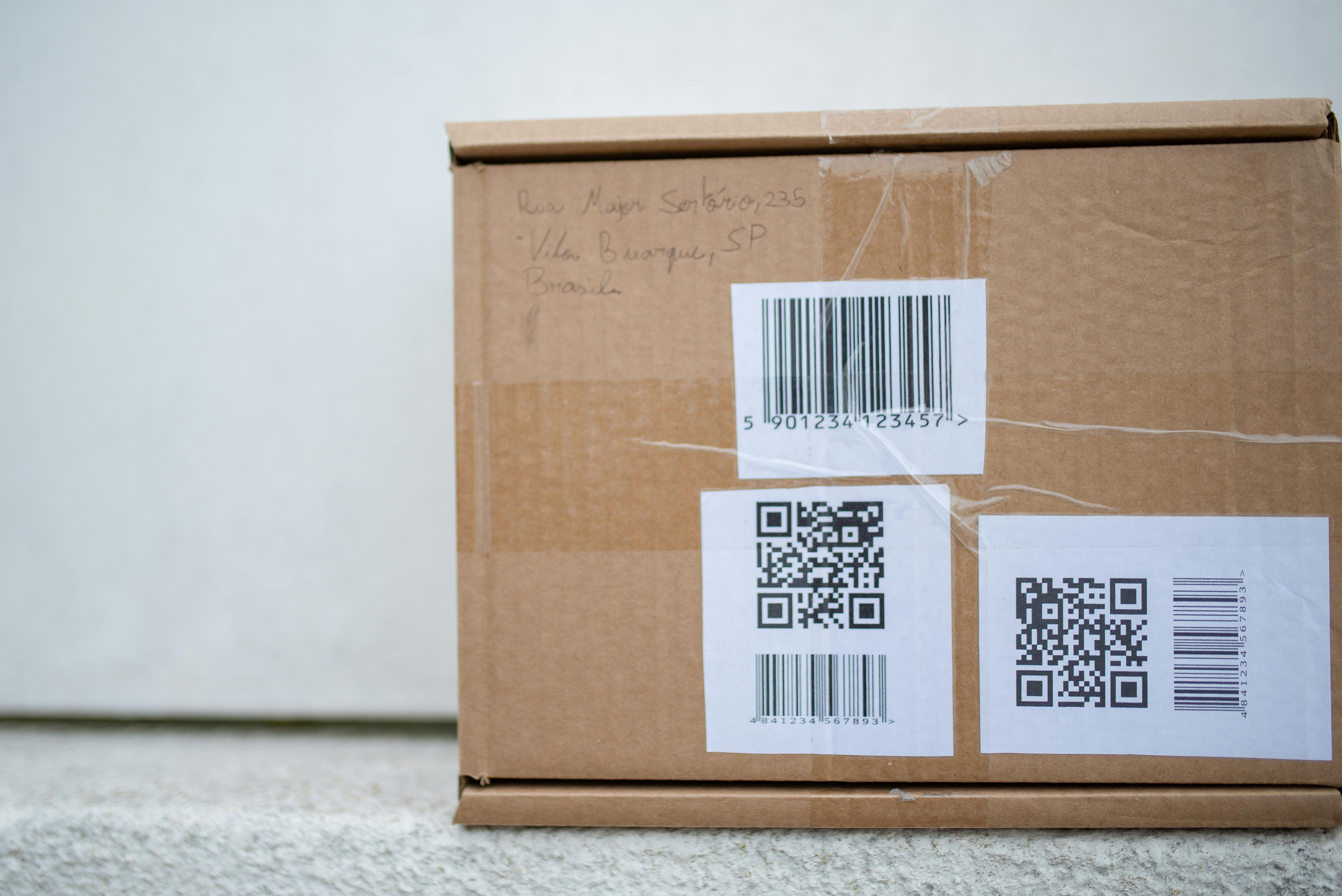
Once you have the ISBN, the next issue is often the barcode. For retail print books, that barcode is more than a visual extra on the back cover. It is the scannable version of your ISBN used in sales environments.

A poor-quality barcode file can cause printing or scanning problems. A barcode built incorrectly for the trim size or cover design can also create production issues. That is why high-resolution barcode delivery matters, especially if your book will be sold in stores, at events, or through distributors that expect retail-ready files.

For many authors, this is the point where publishing starts to feel more technical than expected. The good news is that it does not have to be complicated if you use a service built for real-world book sales rather than generic number delivery.

Choosing the right ISBN setup for your goals

The right setup depends on your sales plan.

If you are publishing a simple ebook and only need an identifier for that format, a basic ebook ISBN option may be enough. If you are releasing a print book for direct sales, local stores, or limited distribution, a self-publisher package may fit better. If you plan to sell through Amazon, wholesalers, and national retail channels, you typically need a more complete setup that supports wider distribution and a stronger publishing identity.

This is where many authors benefit from clear package guidance instead of guesswork. You do not want to overbuy if your project is small. But you also do not want to underbuy and then discover your original setup limits where your book can go.

The best choice is the one that matches your immediate launch while preserving room to grow.

Common book ISBN mistakes to avoid

Most ISBN problems are preventable. The first is using the same ISBN for different formats. The second is entering title or publisher data incorrectly. The third is buying from a source that does not give you clear ownership, proper registration, or retail-ready barcode files.

Another common issue is choosing an imprint name casually and then using a different version of it later. Consistency matters in publishing records. If your imprint is listed one way on your ISBN registration and another way on your book cover or metadata, you can create avoidable confusion.

Speed also creates mistakes. Authors in a rush often upload files before confirming that the ISBN, barcode, and metadata all match. That can lead to corrections after launch, which is frustrating and sometimes more expensive than doing it properly upfront.

Why support matters more than most authors expect

An ISBN is simple in concept, but the setup around it can affect distribution, discoverability, and professionalism. That is why support matters.

A good service does more than deliver a number. It helps you understand what kind of ISBN package you need, how to register your title correctly, and how to avoid errors that can slow down your release. It also gives you the practical pieces you need right away, including immediate assignment and usable barcode files.

For first-time authors, that support reduces stress. For experienced indie publishers, it reduces friction. In both cases, it saves time and helps protect the quality of your publishing record.

ISBN US is built around that kind of practical support, with package options based on real sales channels and immediate access to the tools authors need to move forward.

A book ISBN is a business decision

It is easy to treat the ISBN as a technical requirement and move on. In reality, it is part of how your book enters the market. It affects ownership, listing quality, retailer readiness, and how seriously your publishing operation is taken.

If your goal is to sell with confidence, choose an ISBN setup that matches your format, your channels, and your long-term plans. A few careful decisions now can save you from a lot of avoidable cleanup later.

Book Distribution Barcode Guide for Authors

Posted on: May 24th, 2026 by Publisher Services

If you have ever been told your book is “almost ready” except for the barcode, you are not alone. A proper book distribution barcode guide matters because one small setup mistake can hold up retail placement, confuse distributors, or force you to reprint files you thought were final.

What this book distribution barcode guide covers

For most printed books sold through retail channels, the barcode is not just a design element on the back cover. It is the scannable version of your ISBN, built for bookstores, wholesalers, and inventory systems. If you plan to sell beyond hand-to-hand events or direct orders, the barcode becomes part of the compliance side of publishing.

This is where many first-time authors get tripped up. They assume any barcode generator will work, or that an ISBN and a barcode are interchangeable. They are related, but they are not the same thing. The ISBN is the unique identifier assigned to that edition of your book. The barcode is the machine-readable graphic created from that identifier for printed retail use.

If your goal is Amazon, wholesale distribution, local bookstore placement, or national retail consideration, you need the right number, the right format, and a high-resolution file that a printer can actually use.

ISBN first, barcode second

A barcode does not come first. The ISBN does.

Your printed book needs a valid ISBN assigned to the correct edition and format before the barcode can be created. A paperback needs its own ISBN. A hardcover needs a different one. An eBook usually needs its own ISBN if you want that format separately identified in distribution systems. Reusing one ISBN across multiple formats creates metadata problems and can make your publishing record look unprofessional.

This is also where ownership matters. If your ISBN is registered under someone else’s imprint, that can affect how your title appears in industry databases. For self-publishers and small presses that want control and legitimacy, the ISBN should be issued properly and tied to the correct publisher name or imprint.

Once the ISBN is in place, the barcode can be generated from it for the print edition. That is the correct order.

What kind of barcode does a printed book need?

For US book retail, the standard barcode used on most print books is an EAN barcode based on the ISBN. This is what scanners at bookstores and retail locations are built to read. It needs to be created to proper specifications and delivered in print-ready quality.

That last part matters more than many authors realize. A low-resolution image pulled from a screenshot, cover mockup, or free online tool may look fine on a laptop screen and still fail in production. Printers usually need a high-resolution barcode file with clean lines and correct sizing. If the file is fuzzy, stretched, compressed, or placed badly on the cover, scanning problems can follow.

A failed scan does not just look sloppy. It can create checkout problems, inventory issues, and retailer hesitation.

When you need a barcode and when you might not

Not every publishing path requires the same setup. It depends on how and where you plan to sell.

If you are printing books for bookstores, wholesalers, online retail fulfillment, or broader commercial distribution, you generally need both a valid ISBN and a retail-ready barcode on the back cover. If you are only offering an eBook, there is no physical barcode printed on a cover, even if the eBook has an ISBN.

If you are selling printed books only at live events, through your own office, church, seminar table, or private client list, you may still choose to include a barcode for professionalism and future flexibility. But the urgency is different than it is for books entering standard retail channels.

This is why package choice matters. The right setup for a direct-sale workbook is not always the right setup for a trade paperback going to Amazon and wholesale databases. A good service should help you match the ISBN and barcode package to your actual distribution plan, not just sell you a number.

Common barcode mistakes that cause delays

Most barcode issues are avoidable. The problem is that authors often discover them late, after the cover is designed or files are already with the printer.

One common mistake is using an invalid or mismatched ISBN. Another is assigning the barcode for one format to a different edition. A paperback barcode cannot be reused for a hardcover with a separate ISBN.

File quality is another frequent issue. If the barcode image is not high resolution, the printer may reject it or the finished book may not scan reliably. Authors also run into trouble when they resize the barcode without keeping its proper proportions, place it over a dark background, or add design elements too close to the code.

Then there is the metadata side. Even if the barcode image itself is fine, your distribution setup can still be weakened if the ISBN is tied to the wrong imprint name, the title data was entered incorrectly, or the record is incomplete in publishing databases. A barcode is only one part of a retail-ready book. Accurate registration is the other part.

How to choose the right barcode setup for your distribution plan

The simplest way to think about this is to start with your sales channels.

If you are producing an eBook only, focus on whether you need an ISBN for that format and how you want the title identified in marketplaces and databases. If you are publishing a print book for direct sales and local use, you may need a basic setup that keeps your book professional and properly identified without overbuying.

If you plan to sell through Amazon, wholesalers, bookstores, or larger retail channels, your setup needs to support that wider distribution from the start. That usually means a valid ISBN registered correctly, an EAN barcode created from that ISBN, and title data entered in a way that aligns with your publishing identity.

For small publishers handling multiple titles, it also makes sense to think beyond one book. If you expect to release future editions, companion workbooks, hardcovers, or revised versions, keeping your identifiers organized under your own imprint can save time and prevent cleanup later.

That is one reason many authors prefer a structured package approach instead of piecing everything together from different sources. A service like ISBN US is built around that exact question: where will you sell, and what setup does that channel require?

The back cover placement question

Authors often ask where the barcode should go. In most cases, it belongs on the lower back cover where retailers expect to find it. Your cover designer should leave enough white space for clear scanning and avoid decorative clutter around it.

The barcode should not be treated as an afterthought added at the very end without checking dimensions. If the cover is being wrapped around a spine, trim size and bleed need to be final before the barcode is placed. Otherwise, you risk crowding the edge or shifting the code into an unusable position.

This is one of those areas where simple, correct execution beats creativity. The barcode’s job is to scan cleanly.

Why authenticity matters in book distribution

There is a practical reason authors care about authenticity, not just a branding reason. An authentic ISBN assigned correctly supports cleaner metadata, stronger ownership, and fewer questions from retailers and distributors. It helps your book present as a legitimate publishing product rather than a rushed upload.

For self-publishers, that credibility matters. If you are investing in editing, cover design, printing, and launch marketing, it makes little sense to cut corners on the identifier and barcode that connect your book to the retail system.

Fast turnaround also matters. Many authors do not start asking about barcodes until their printer requests one. At that point, delay gets expensive. Immediate ISBN assignment and instant barcode delivery can keep your timeline moving, especially if your launch date is close.

A practical final check before you print

Before approving your files, confirm four things. Your print edition has its own valid ISBN. The barcode was created from that exact ISBN. The file is high resolution and print-ready. And the title, imprint, and format details are registered correctly.

That may sound technical, but it is really about avoiding preventable problems. A barcode is small on the cover, yet it carries a lot of weight in distribution.

Get it right early, and the rest of your publishing process gets much easier.

Independent Publisher Setup Guide for US Authors

Posted on: May 22nd, 2026 by Publisher Services

If you plan to publish under your own name or imprint, the setup decisions you make before launch will affect everything that follows – your ISBN registration, barcode quality, retailer acceptance, and how professionally your book appears in the market. This independent publisher setup guide is built for US authors and small publishing operations that want a clean, credible start without wasting time or buying the wrong pieces.

A lot of first-time publishers think setup begins with printing. It does not. It begins with ownership and distribution. Before you format a paperback or upload an eBook, you need to know who the publisher of record will be, where the book will be sold, and whether each format needs its own ISBN. Get those answers right early, and the rest of the process becomes much easier.

Start with your publishing identity

If you are acting as your own publisher, the first question is simple: will the book be published under your personal name or an imprint name? Either can work, but the choice should be intentional.

Using your own name is faster and perfectly valid for many self-published authors. Creating an imprint can look more established, especially if you plan to release multiple titles, publish in different genres, or sell books beyond a single platform. Churches, speakers, coaches, and small organizations often prefer an imprint because it keeps the publishing name aligned with their broader brand.

What matters most is consistency. Your ISBN registration, title metadata, cover files, and retail listings should all reflect the same publisher or imprint name. One of the most common mistakes small publishers make is mixing business names, author brands, and imprint names across platforms. That creates confusion for retailers and can weaken your professional presentation.

The independent publisher setup guide to ISBN choices

An ISBN is not just a number for the back of a book. It identifies a specific edition and format, and it ties that product to the publisher of record in industry systems. If your goal is to operate as an independent publisher, control over the ISBN matters.

In practical terms, each format usually needs its own ISBN. A paperback needs one. A hardcover needs a different one. An eBook may need its own ISBN depending on where and how you plan to distribute it. If you want your publishing name attached to the record, the ISBN should be assigned in your name or imprint, not a third party’s.

This is where many authors get tripped up. They assume any ISBN will do, or they use a free platform-issued number without understanding the trade-off. A free option may be acceptable in limited cases, but it often means the platform or service appears as the publisher of record. If you want long-term imprint control, broader channel flexibility, or a cleaner business foundation, that trade-off may not be worth it.

For US authors selling only a digital product in a narrow channel, an eBook-only ISBN solution may be enough. For print books sold direct, at events, or through local stores, you need a print-ready setup with a valid barcode. For broader distribution through wholesalers, Amazon, and national retail channels, you need to think like a real publisher from day one and choose ISBNs that support that path.

Match your setup to your sales channels

Not every independent publisher needs the same package or workflow. Your setup should match where the book will actually be sold.

If you are selling books from your website, at seminars, from a church office, or at local events, your needs are fairly straightforward. You still want an authentic ISBN and a high-resolution barcode for print, but your metadata and distribution demands may be lighter.

If you want to sell through Amazon and also keep your options open for wholesalers or bookstores, your setup needs to be more complete. That means accurate title registration, the correct publisher name, scannable barcode files, and metadata that can travel across retail systems without errors.

If your goal is national reach, the standard is higher. Bookstores, distributors, and chains expect clean records. They do not want mismatched publisher names, improvised barcodes, or incomplete title data. This is why setup is not just paperwork. It is market access.

Metadata is where professional publishing gets won or lost

A strong book can still look amateur in the supply chain if the metadata is sloppy. Title, subtitle, author name, trim size, binding, publication date, BISAC category, price, and publisher name all need to be accurate and consistent.

Small errors create bigger problems than many authors expect. A subtitle entered one way on the cover and another way in the metadata can trigger confusion. An incorrect publication date can interfere with retailer timing. A wrong imprint name can lead to inconsistent listings. Even a barcode tied to the wrong ISBN can cause headaches once books are printed.

Good metadata does two jobs. First, it helps retailers and databases identify your book correctly. Second, it makes your publishing operation look legitimate. That matters whether you are launching one title or building a small catalog.

If you are not sure how to enter title data, get help before you submit it. Fixing metadata before launch is easy. Cleaning it up after files are live across sales channels is slower and more frustrating.

Barcodes are not optional for print books

For print publishing, a valid barcode is part of a retail-ready package. It needs to be generated from the correct ISBN and supplied in a resolution suitable for professional printing.

This is another place where shortcuts backfire. Low-quality barcode images can fail in production or scan poorly in stores. Homemade files, screenshots, or mismatched barcode data can create avoidable print delays. If you are treating your book like a real product, the barcode needs to be treated the same way.

For direct sellers and small publishers, the barcode may feel like a minor detail compared with the cover or interior layout. In reality, it is one of the most visible signals that your book was prepared properly for the market.

Build the right files once

An independent publisher setup guide would be incomplete without talking about file discipline. Every format should have its own final files, matched to the correct ISBN and product details.

That means your paperback cover should reflect the paperback ISBN and barcode. Your hardcover should have its own. Your eBook should not be treated like a copy of the print edition with a different export setting. Each format is its own product in the market, and your files should reflect that reality.

This approach saves time later. It also protects you from one of the most common indie publishing mistakes: using one identifier across multiple formats or updating files in a rush without checking that the metadata, cover, and barcode still match.

Support matters more than most authors expect

Publishing setup looks simple until one detail is unclear. Do you need a separate ISBN for Kindle and EPUB? Should your church name be the publisher or your ministry imprint? Can you use the same number for paperback and hardcover? What happens if your barcode is wrong after printing?

These are not edge cases. They are normal questions, especially for first-time publishers and small organizations.

That is why speed alone is not enough. Fast service only helps if the setup is correct. The best publishing support combines instant access with practical guidance, so you can choose the right ISBN path, avoid invalid or misused numbers, and enter your title information correctly the first time. For many small publishers, that kind of support is what turns a confusing process into a manageable one. Companies like ISBN US are built around exactly that need.

Keep your setup simple, but not careless

There is a temptation to overbuild your publishing operation before the first book is out. You do not need a complex corporate structure, a large title catalog, or every possible service on day one. But you do need the basics done right.

That usually means choosing your publishing name, assigning the right ISBNs, getting high-resolution barcode files for print, entering clean metadata, and aligning everything with your intended sales channels. If you handle those pieces properly, you create a strong foundation that can grow with you.

A professional setup does not have to be complicated. It just has to be accurate. And when your book is ready to sell, accuracy is what keeps your launch moving instead of stalling over preventable mistakes.

The smartest way to begin is to think one step beyond the book you are publishing now. Set it up as if your name, your imprint, and your credibility will need to hold up on the next release too.

Single ISBN vs Bulk Purchase: Which Fits?

Posted on: May 20th, 2026 by Publisher Services

If you are weighing single ISBN vs bulk purchase, the real question is not just price. It is how many formats you plan to publish, where you want to sell, and whether this book is a one-time project or the start of a larger publishing plan. Choosing the right option early can save money, prevent setup mistakes, and keep your metadata organized from the start.

For many first-time authors, a single ISBN feels like the safest choice. It is simple, quick, and often exactly what you need if you are publishing one format for one title. If you are releasing a paperback now and have no immediate plans for hardcover, audiobook, or revised editions, buying one ISBN can be the most practical move.

But that only holds true if your publishing plan stays narrow. The moment you start thinking about multiple formats, expanded retail distribution, or publishing under your own imprint more than once, the math changes. What looks cheaper upfront can become more expensive and more fragmented over time.

Single ISBN vs Bulk Purchase: The Core Difference

A single ISBN gives you one identifier for one specific book format. That means one paperback edition gets one ISBN. If you later release the same title as a hardcover, that format needs a different ISBN. If you produce a revised edition with meaningful changes, that may also require its own ISBN.

A bulk purchase gives you multiple ISBNs at once, which is useful when you know you will need more than one identifier now or soon. This is common for authors publishing in paperback and hardcover together, publishers managing several titles, or organizations releasing books, study guides, and companion editions under one imprint.

The difference is not only quantity. It is also about planning. A single ISBN solves an immediate need. A bulk purchase supports a publishing workflow.

When a Single ISBN Makes Sense

If you are publishing one book in one format and want a fast, clean path to launch, a single ISBN is often the right fit. Many self-published authors start here because they want to get listed properly, generate a compliant barcode, and move into production without buying more than they need.

This approach works especially well for direct sellers, local authors, and first-time publishers testing the market. If your book is a paperback sold at events, through your website, or in limited retail settings, one ISBN may cover your current needs without adding unnecessary cost.

It also reduces decision fatigue. You are not trying to map out three future editions before your first one is finished. You can focus on getting the title registered correctly, using the right imprint name, and making sure the barcode matches the final retail price and trim setup.

That said, the main risk is underestimating your next step. Many authors start with one format, then quickly add another after early sales or reader demand. If that happens, buying one at a time can become less efficient.

When Bulk Purchase Is the Better Option

Bulk purchase usually makes more sense when you are building, not just launching. If you already know you will publish multiple books, multiple editions, or multiple formats, having a block of ISBNs gives you flexibility and better control.

This is especially useful for small publishers, author-entrepreneurs, coaches, churches, ministries, and training businesses. These groups often release more than one product over time. A workbook, leader guide, journal, and revised second edition can use several ISBNs faster than expected.

Bulk buying also helps you stay organized. Instead of stopping your production process every time a new format is added, you already have identifiers available. That can speed up listing, barcode generation, metadata setup, and retailer onboarding.

There is also a branding advantage. If you publish under your own imprint and intend to grow that imprint, bulk purchase supports a more stable publishing structure. You are thinking like a publisher, not just reacting title by title.

Cost Is Important, but It Is Not the Whole Decision

Most buyers begin with price, and that is reasonable. A single ISBN has a lower upfront cost, which makes it attractive when budgets are tight. For one-book authors, that lower entry point may be the right decision.

But per-unit cost usually favors bulk purchases. If you end up needing three, five, or ten ISBNs over the next year, buying them one at a time often costs more in total. The short-term savings can disappear quickly.

There is also a hidden cost to waiting too long to plan. Last-minute ISBN decisions can delay production, create confusion between formats, or lead to mistakes in title registration. Those issues cost time, and sometimes they cost sales opportunities if your launch gets pushed back.

A better way to think about cost is to match your purchase to your likely publishing path over the next 12 to 24 months. If you are confident this is a single-format, one-book project, one ISBN is efficient. If you expect growth, bulk usually delivers better value.

Think About Formats Before You Buy

One of the most common mistakes authors make is assuming one ISBN covers every version of a book. It does not. Paperback, hardcover, and often different editions each require separate ISBNs. In many cases, eBooks may also need their own ISBN depending on distribution strategy and sales goals.

This is where single isbn vs bulk purchase becomes a planning issue, not just a purchasing one. If your release roadmap already includes print and digital, or a workbook plus a textbook edition, buying in bulk can prevent disruption later.

Ask yourself a few practical questions. Will you sell only one format? Will you publish a revised edition next year? Will you create a large-print version, a casebound version, or companion products? If the answer to any of these is yes, bulk becomes easier to justify.

Distribution Goals Should Drive the Decision

Where you sell matters just as much as what you sell. A book intended for Amazon only has different setup needs than a book aimed at wholesalers, bookstores, libraries, ministries, schools, or national retail channels.

Authors with narrow distribution plans can often start with a single ISBN and keep things simple. Authors targeting broader distribution usually benefit from stronger infrastructure from day one. That means authentic ISBN assignment, properly registered publisher information, and high-resolution barcode files that are ready for print use.

If you are building a catalog that will live across multiple channels, bulk purchase supports that scale more naturally. You are less likely to patch your publishing setup together title by title.

Ownership, Imprint Control, and Long-Term Credibility

Many self-publishers are not just selling a book. They are establishing a business identity. If that is true for you, the ISBN decision affects more than inventory. It affects how your publishing operation appears in databases, how your imprint is presented, and how easy it is to manage future titles.

A single ISBN can still support professional ownership if it is assigned and registered properly. But bulk is often a better fit for publishers who want consistency across a list of titles. It gives you room to grow without rethinking your setup every time you publish again.

This matters even more for authors who plan to write a series, release educational materials, or publish under a company name. A structured ISBN strategy supports better title management and fewer administrative problems later.

So, Which One Should You Choose?

Choose a single ISBN if you are publishing one book in one format, want the lowest upfront cost, and do not expect to expand soon. It is a practical option for straightforward launches and first-time projects.

Choose bulk purchase if you expect multiple formats, future titles, or a broader publishing footprint. It gives you flexibility, lowers your per-ISBN cost over time, and makes it easier to operate like a serious publisher.

There is no one-size-fits-all answer here. The best choice depends on how you plan to publish, sell, and grow. If you are unsure, it is usually smarter to decide based on your next few titles, not just the one in front of you. Services like ISBN US are built for exactly this kind of decision – helping authors choose the right package before a small ISBN mistake turns into a bigger publishing problem.

The right ISBN purchase should make your launch easier today and your next release simpler tomorrow. That is the standard worth using.

9 Common ISBN Mistakes Authors Make

Posted on: May 18th, 2026 by Publisher Services

You usually do not realize an ISBN problem exists until a printer flags your barcode, a retailer rejects your listing, or your paperback and eBook end up tangled together in the wrong record. That is why common ISBN mistakes authors make can become expensive fast. A small setup error at the beginning can create distribution issues, metadata conflicts, and preventable delays right when you are trying to launch.

ISBNs are not complicated once you understand what they do. They are product identifiers used across the book trade. The problem is that many first-time publishers treat them like a formality instead of a sales and distribution tool. If you plan to sell through Amazon, wholesalers, bookstores, events, your own website, or multiple formats, getting the ISBN details right matters.

Common ISBN mistakes authors make before launch

One of the most common errors is assuming one ISBN covers every version of a book. It does not. A paperback, hardcover, eBook, and audiobook are different products in the market. Each format should have its own ISBN if it is being distributed as a separate commercial edition.

This is where authors often create confusion for themselves. They assign one number to the paperback and then reuse it for the eBook because the content is mostly the same. On the back end, that creates a mismatch. Retailers and databases are trying to identify products, not manuscripts. If two different products share one identifier, your listings can become inaccurate or difficult to manage.

Another common mistake is buying an ISBN without thinking through where the book will be sold. Not every author needs the same setup. If you only plan to sell eBooks, your needs are different from someone printing paperbacks for stores and wholesalers. If you want broad retail distribution, barcode quality, metadata accuracy, and imprint registration become more important than they might seem at the start.

The trade-off is simple. A basic setup may be enough for a narrow release, but it may not support your next step if you later want to expand into wider retail channels. That is why it helps to choose your ISBN package based on your real sales plan, not just the cheapest option you can find in the moment.

Using the wrong publisher or imprint name

This mistake causes more problems than many authors expect. The publisher name connected to an ISBN matters because it becomes part of the book’s official record. If you use a name inconsistently, switch between personal and business names, or enter an imprint that does not match how your title is being published, you can create confusion in databases and across retailer listings.

For self-publishers, this often starts with uncertainty. Some want the book listed under their own name. Others want an imprint that looks more professional. Either approach can work, but it needs to be consistent. If your cover says one imprint, your ISBN registration shows another, and your metadata uses a third version, you are setting yourself up for cleanup work later.

It is better to decide early how you want to publish and stay consistent across the ISBN record, cover, title setup, and sales platforms. That gives your book a cleaner professional footprint and reduces the chance of retailer questions.

Entering weak or incorrect metadata

An ISBN by itself does not do much. The metadata attached to it is what makes the number useful in the marketplace. Title, subtitle, author name, format, trim size, publication date, BISAC category, and publisher details all need to be accurate.

This is one of the common ISBN mistakes authors make because metadata feels secondary compared with finishing the manuscript or designing the cover. In reality, metadata affects discoverability, ordering, and how your title appears in databases. A typo in the title, the wrong binding type, or an outdated publication date can follow the book into retailer systems and create inconsistency across channels.

The good news is that this is preventable. Slow down when entering title data. Match your metadata to the final files, not your draft. If your subtitle changed during cover design, update it. If you switched from a large-format workbook to a standard paperback, make sure the ISBN record reflects that. Small mismatches can trigger big headaches later.

Reusing an ISBN after making a major change

Authors sometimes ask if they can keep the same ISBN after revising the book. The answer depends on the extent of the change. Minor corrections usually do not require a new number. A few typo fixes or a refreshed back cover generally do not create a new edition.

But if you release a new edition, change the format, significantly revise the content, or alter the binding, a new ISBN is often required. This is especially true when the market would reasonably view the book as a different product. If a buyer, store, or distributor needs to distinguish one version from another, the identifier should also change.

Trying to stretch one ISBN across multiple editions may seem efficient, but it can confuse inventory systems and buyers. A second edition should be easy to identify as a second edition. That clarity helps everyone from retailers to readers.

Using a low-quality or mismatched barcode

Barcode problems are more common than authors think. A barcode is not just a graphic placed on the back cover. It needs to match the ISBN exactly, scan cleanly, and meet print quality standards. Low-resolution images, distorted proportions, or incorrect pricing data can all create trouble at the printer or point of sale.

This issue shows up when authors download a poor-quality barcode image, resize it too aggressively, or use one generated for a different ISBN. A barcode that looks acceptable on a screen may still fail in print. That can delay production or leave you with a book that is harder for retailers to process.

If you are printing books for resale, use a high-resolution barcode built for the exact ISBN assigned to that format. This is not the place to improvise. Clean barcode files are a small detail with a very practical payoff.

Buying invalid or unofficial ISBNs

Not every source offering ISBNs provides the same level of legitimacy, control, or support. Some authors shop purely on price and do not look closely at what they are receiving. That can lead to invalid numbers, limited registration control, or records that do not support the author’s imprint and sales goals.

If you are planning to build a publishing brand, ownership and proper assignment matter. You want an ISBN that is authentic, usable in the intended channels, and connected to accurate publisher information. You also want confidence that your record can be managed correctly if you need updates.

That is one reason many self-publishers choose a service focused specifically on official ISBN assignment and retail-ready barcodes, such as ISBN US. Speed is helpful, but legitimacy and correct setup are what protect your book long term.

Choosing the wrong ISBN package for your distribution plan

This is less obvious than a typo, but it can be just as costly. An author may buy for a local launch, then later decide to sell through wholesalers or national retail channels. Or they may start with an eBook only plan and then move into print. The original purchase may no longer fit the actual publishing path.

That does not mean the first choice was wrong. It means the decision was made without a full picture of the next step. If you know from the beginning that you want broad distribution, set up for that. If you only need direct sales or a single format right now, a simpler package may make sense. It depends on your launch strategy, your format mix, and where you expect demand to come from.

The key is to match the ISBN setup to the business plan for the book, not just the manuscript itself.

Waiting too long to handle ISBN details

A surprising number of authors leave the ISBN until the final week before release. That is when rushed decisions happen. Metadata gets entered too quickly, cover files go out with the wrong barcode, and there is no time left to correct issues before printing or uploading.

ISBNs are best handled as part of production planning, not as an afterthought. Once your title, format, and publishing identity are clear, assign the number and build your files around that final information. That keeps your setup cleaner and gives you time to check every detail.

How to avoid common ISBN mistakes authors make

Most ISBN problems come from one of three things: using the wrong number for the wrong product, entering inconsistent data, or choosing a setup that does not match the book’s real sales path. None of that requires advanced publishing knowledge to fix. It just requires a little planning.

Treat the ISBN as part of your publishing infrastructure. Decide which formats you are releasing. Be consistent with your author and imprint information. Make sure your metadata matches the final book. Use a barcode that is high resolution and tied to the correct print edition. And if you are unsure, ask questions before you upload files or approve a print run.

A clean ISBN setup does more than satisfy a technical requirement. It gives your book a better chance to move through retail systems the right way, with fewer delays and fewer corrections after launch. That is time better spent promoting your book, selling your book, and getting your next one ready.